
An Abdominal Aortic Aneurysm (AAA) is a potentially life-threatening condition that occurs when a weakened section of the aorta—the body’s largest artery—begins to bulge or enlarge. If left untreated, an aneurysm can continue to grow and may eventually rupture, causing severe internal bleeding and a medical emergency.
At Advanced Vein & Vascular, our vascular specialists provide comprehensive screening, diagnosis, monitoring, and advanced treatment options for abdominal aortic aneurysms. Our goal is to identify aneurysms early, reduce the risk of rupture, and help patients maintain their vascular health.
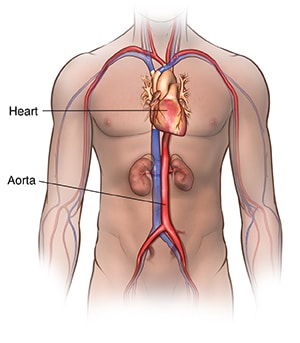
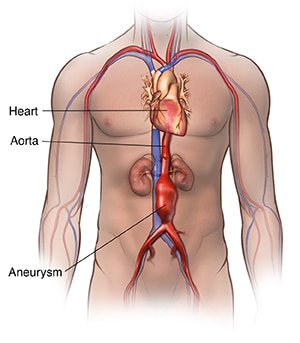
What Is an Abdominal Aortic Aneurysm?
The aorta carries oxygen-rich blood from the heart to the rest of the body. An abdominal aortic aneurysm occurs when a weakened area of the abdominal portion of the aorta begins to expand or balloon outward.
As the aneurysm grows larger, the artery wall becomes weaker and more prone to rupture. Because AAA often develops slowly and without symptoms, many patients are unaware they have the condition until it is discovered during imaging studies or screening examinations.
Early detection is critical because treatment can often prevent serious complications before they occur.
Symptoms of an Abdominal Aortic Aneurysm
Many abdominal aortic aneurysms cause no symptoms, especially in the early stages.
When symptoms occur, they may include:
- Deep, persistent pain in the abdomen
- Back pain
- Pain in the side or flank
- A pulsating sensation near the navel
- Abdominal tenderness
- Feeling a throbbing mass in the abdomen
A ruptured aneurysm is a medical emergency and may cause:
- Sudden severe abdominal or back pain
- Dizziness or fainting
- Rapid heart rate
- Low blood pressure
- Shock
Call 911 immediately if you experience symptoms of a ruptured aneurysm.
What Causes an Abdominal Aortic Aneurysm?
Several factors can contribute to the development of an AAA, including:
- Atherosclerosis (hardening of the arteries)
- Smoking
- High blood pressure
- High cholesterol
- Family history of aneurysms
- Advanced age
- Male gender
- Connective tissue disorders
- Vascular disease
Smoking is one of the strongest risk factors for developing and enlarging an abdominal aortic aneurysm.
Who Is at Risk for AAA?
You may have a higher risk of developing an abdominal aortic aneurysm if you:
- Are age 65 or older
- Have a history of smoking
- Have high blood pressure
- Have high cholesterol
- Have a family history of AAA
- Have coronary artery disease
- Have peripheral artery disease (PAD)
Routine screening is often recommended for individuals at increased risk, particularly older adults with a history of smoking.
How Is an Abdominal Aortic Aneurysm Diagnosed?
Because many aneurysms do not cause symptoms, imaging plays an important role in diagnosis.
Comprehensive Vascular Evaluation
Your provider will review your symptoms, medical history, family history, and cardiovascular risk factors.
Abdominal Ultrasound
An abdominal ultrasound is a quick, painless, and highly effective screening tool used to detect and monitor abdominal aortic aneurysms.
CT Angiography (CTA)
CT imaging provides detailed views of the aneurysm, including its size, location, and relationship to surrounding blood vessels.
Magnetic Resonance Angiography (MRA)
MRI-based imaging may be used to evaluate aneurysms and assist with treatment planning.
Abdominal Aortic Aneurysm Treatment Options
Treatment recommendations depend on the size of the aneurysm, its growth rate, symptoms, and overall health.
Active Surveillance
Small aneurysms may not require immediate treatment.
Instead, your physician may recommend:
- Regular ultrasound monitoring
- Blood pressure management
- Cholesterol control
- Smoking cessation
- Lifestyle modifications
Careful monitoring helps identify changes before complications develop.
Endovascular Aneurysm Repair (EVAR)
Endovascular Aneurysm Repair (EVAR) is a minimally invasive procedure used to treat many abdominal aortic aneurysms.
During EVAR:
- A catheter is inserted through a small incision in the groin.
- A specialized stent graft is guided into the aneurysm.
- The graft reinforces the weakened section of the aorta.
- Blood flow is redirected through the graft, reducing pressure on the aneurysm wall.
Benefits of EVAR include:
- Minimally invasive treatment
- Smaller incisions
- Shorter hospital stay
- Faster recovery
- Reduced postoperative discomfort
Open Surgical Repair
For certain aneurysms, open surgical repair may be the most appropriate treatment option.
During surgery:
- The weakened portion of the aorta is replaced with a durable synthetic graft.
- Normal blood flow is restored through the repaired vessel.
Open repair may be recommended based on aneurysm size, location, or patient-specific factors.
Benefits of Early AAA Treatment
Early detection and treatment can help:
- Prevent aneurysm rupture
- Reduce the risk of life-threatening complications
- Improve long-term survival
- Protect cardiovascular health
- Allow for minimally invasive treatment options
- Provide ongoing monitoring and peace of mind
Why Choose Advanced Vein & Vascular?
At Advanced Vein & Vascular, our specialists provide comprehensive aneurysm care using advanced diagnostic imaging and modern treatment techniques.
Patients choose our practice for:
- Board-certified vascular specialists
- Comprehensive vascular evaluations
- Advanced imaging technology
- Minimally invasive treatment options
- Personalized care plans
- Long-term aneurysm monitoring and follow-up
Our team is committed to helping patients protect their vascular health through early detection and effective treatment.
Schedule Your Abdominal Aortic Aneurysm Consultation
If you have risk factors for aneurysm disease, a family history of AAA, or have been diagnosed with an abdominal aortic aneurysm, early evaluation can help prevent serious complications.
Contact Advanced Vein & Vascular today to schedule a comprehensive vascular evaluation and learn about your treatment options.