
Peripheral Vascular Disease (PVD), often referred to as Peripheral Artery Disease (PAD), occurs when arteries outside the heart become narrowed or blocked, reducing blood flow to the legs, feet, and other areas of the body. Left untreated, PVD can lead to worsening pain, non-healing wounds, mobility limitations, and an increased risk of heart attack and stroke.
At Advanced Vein & Vascular, our vascular specialists provide comprehensive diagnosis and advanced treatment options to improve circulation, relieve symptoms, and help protect your long-term health.
What Is Peripheral Vascular Disease?
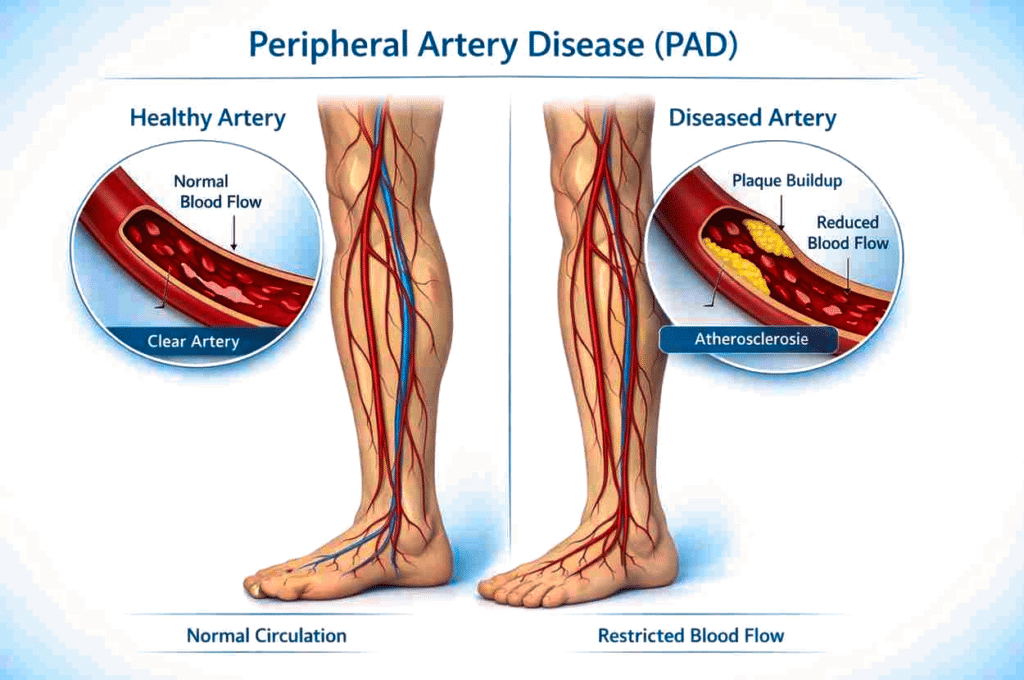
Peripheral Vascular Disease is a circulation disorder caused by narrowing or blockage of blood vessels, most commonly due to plaque buildup (atherosclerosis). As arteries become restricted, oxygen-rich blood cannot reach the muscles and tissues effectively.
While PVD can affect blood vessels throughout the body, it most frequently impacts the arteries supplying the legs and feet. This condition is often called Peripheral Artery Disease (PAD).
Symptoms of Peripheral Vascular Disease
Many patients initially experience mild symptoms that gradually worsen over time. Common signs of PVD include:
- Leg pain or cramping while walking (claudication)
- Pain that improves with rest
- Leg fatigue or weakness
- Cold feet or lower legs
- Numbness or tingling
- Slow-healing sores or wounds
- Skin discoloration
- Reduced hair growth on the legs
- Weak or absent pulses in the feet
- Rest pain in severe cases
If you experience any of these symptoms, a vascular evaluation can help determine whether circulation problems are contributing to your condition.
What Causes Peripheral Vascular Disease?
Several factors can increase your risk of developing PVD, including:
- Smoking
- Diabetes
- High blood pressure
- High cholesterol
- Obesity
- Sedentary lifestyle
- Family history of vascular disease
- Advanced age
Because PVD is often linked to atherosclerosis, patients with PAD may also have an increased risk of cardiovascular disease and stroke.
How Is Peripheral Vascular Disease Diagnosed?
Accurate diagnosis is the first step toward effective treatment.
Your vascular specialist may perform:
Comprehensive Vascular Evaluation
A review of your symptoms, medical history, and risk factors.
Ankle-Brachial Index (ABI)
A simple, noninvasive test that compares blood pressure in your ankles and arms to identify circulation problems.
Vascular Ultrasound
Advanced ultrasound imaging helps evaluate blood flow and identify narrowed or blocked arteries.
CT Angiography or MR Angiography
Detailed imaging may be recommended when additional information is needed for treatment planning.
Peripheral Vascular Disease Treatment Options
Treatment is customized based on the severity of your condition, symptoms, and overall health.
Lifestyle & Medical Management
For mild to moderate disease, treatment may include:
- Smoking cessation
- Structured exercise programs
- Blood pressure management
- Cholesterol-lowering medications
- Diabetes management
- Antiplatelet therapy to reduce clotting risk
Minimally Invasive Endovascular Procedures
When circulation is significantly impaired, minimally invasive procedures may be recommended.
Angioplasty
A small balloon is used to open narrowed arteries and improve blood flow.
Stent Placement
A tiny mesh stent may be placed to help keep the artery open after angioplasty.
Atherectomy
Specialized devices can remove plaque buildup from affected arteries to restore circulation.
Surgical Intervention
For severe blockages, bypass surgery may be recommended to reroute blood flow around the affected artery.
Benefits of Early Treatment
Treating Peripheral Vascular Disease early can help:
- Relieve leg pain and cramping
- Improve walking ability and mobility
- Promote wound healing
- Reduce risk of limb-threatening complications
- Improve circulation
- Lower cardiovascular risk
- Enhance quality of life
Why Choose Advanced Vein & Vascular?
At Advanced Vein & Vascular, our team specializes in diagnosing and treating vascular conditions using advanced imaging and minimally invasive techniques.
Patients choose us for:
- Board-certified vascular specialists
- Comprehensive vascular evaluations
- State-of-the-art diagnostic technology
- Minimally invasive treatment options
- Personalized treatment plans
- Compassionate, patient-centered care
Our goal is to help you restore circulation, reduce symptoms, and maintain long-term vascular health.
Schedule Your Peripheral Vascular Disease Consultation in Dallas, TX
If you’re experiencing leg pain, cramping, poor circulation, or other symptoms of Peripheral Vascular Disease, early diagnosis and treatment can make a significant difference.
Contact Advanced Vein & Vascular today to schedule a vascular evaluation and learn about your treatment options.